

Prix du CSSH
Overview
The Canadian Society for the Sociology of Health/Société Canadienne de Sociologie de la Santé aims to build capacity in the sociology of health and related disciplines by creating awards to recognize exceptional papers, posters or alternative academic work that advances the CSSH-SCSS’s aims of promoting sociology of health research and knowledge mobilization.
Eligibility
Candidates must be currently registered (or have registered for at least one semester during the previous 12-month period) as an undergraduate, master’s, or doctoral student in a sociology or related health sciences program at a recognized Canadian university. Postdoctoral Fellows are also encouraged to submit their work for consideration. The applicant must be a member of CSSH/SCSS at the time of application. Nominations on behalf of others will not be accepted, but faculty members are welcome to encourage students to consider submitting eligible work. In cases where the student is a co-author or co-creator, the student’s contribution should be clearly described in the space provided in the award submission form. Written (emailed) consent from co-authors/creators will be requested by the adjudication committee prior to the award conferral.
Categories
There are two award categories which may be awarded to up to eight student members per year (each category may be awarded once at the Undergraduate, Master’s, Doctoral, and Post-Doctoral levels of study). Both kinds of submissions may be submitted in French, English or Indigenous languages (the committee may require translation or may seek translation outside of the committee when the committee has limited language comprehension). Details regarding the two award categories are as follows:
1. CSSH-SCSS Student Excellence Award: Recognizes an academic paper or poster based on original student work, including data collection, literature reviews, and theoretical contributions. The paper can be under review at time of submission, but not previously published or accepted for publication by the deadline for submission. The submission should be prepared for an academic audience and publishing format, employ a consistent and recognized citation style, and should not exceed 8,000 words inclusive of references. PDF and Word file formats are accepted.
2. CSSH-SCSS Award for Student Excellence in Scientific Communication: Recognizes alternative academic works (e.g., infographics, short video, podcasts, artistic works, and other forms of creative knowledge mobilization) that disseminate or otherwise communicate original scientific research related to the sociology of health. The award committee must be able to digitally access and review the work as part of the adjudication process, but there are no restrictions on the medium or format of the work provided that a) it can be reviewed by the committee to an extent that is sufficient for evaluation of award eligibility, and b) it is able to shared with the CSSH-SCSS membership and on the website. Where appropriate, alternate, partial, or indirect representations (e.g., photographs accompanied by an oral or written description) will be accepted.
Submission Criteria and Selection Procedure
The CSSH/SCSS Awards Committee consists of (4) Advisory Board members on the awards committee (two faculty and two Student Advisors). Applicants are encouraged to reach out to the Awards Committee with any questions ahead of submitting their application at cssh.scss@gmail.com using ‘AWARDS’ in the subject line. Do not use this email to submit your application.
There is an annual rolling call for submissions which cuts off on April 30th. Submitted works will be considered with applicants from the same level of study (e.g., applicants at the undergraduate level considered together, and likewise for master’s, doctoral, and post-doctoral applicant cohorts).
The Committee will apply an EDI and anti-colonial lens in assessing the applications, giving preference to Indigenous peoples, racialized persons, persons with disabilities, persons who identify as women and/or 2SLGBTQQIA.
The Committee will select the recipients of the award/s and announce them ahead of the Virtual Conference where they will be invited to participate in a virtual symposium and reception. Award recipients will be provided with opportunities to share their research with our members and the public through the CSSH-SCSS website, newsletters, and social media channels. Members will be encouraged to consider adopting the award recipients’ works into relevant course offerings.
Recipients: ROBIN BADGLEY AWARD

Andrea Polonijo : lauréat du prix Robin Badgley Memorial Student Award 2019
Le prix étudiant 2019 Robin Badgley Memorial a été décerné à Andrea Polonijo pour son article "Social Inequalities in the Diffusion of Health Promoting Innovations : Évaluation de l'impact des mandats sur la vaccination contre le papillomavirus humain."
Andrea est une boursière postdoctorale du Chancelier au département de médecine sociale, de la population et de la santé publique de l'Université de Californie, Riverside. Formée en sociologie médicale et en santé publique, elle étudie la manière dont les facteurs sociaux tels que le revenu, l'éducation, la race-ethnie et l'orientation sexuelle influencent les comportements et les résultats en matière de santé.
Ses recherches actuelles portent sur les inégalités sociales en matière de vaccination, dans des contextes locaux, nationaux et internationaux. Elle dirige deux études pilotes dans l'Empire intérieur de Californie. La première étude vise à développer et à évaluer une intervention communautaire qui associe la vaccination contre le HPV et la méningite à un test rapide de dépistage du VIH. La seconde étude vise à identifier les obstacles et les facteurs qui facilitent la vaccination contre le HPV chez les adultes âgés de 27 à 45 ans, qui sont nouvellement éligibles pour le vaccin. Au niveau national, elle mène une enquête quantitative auprès des adultes américains pour examiner l'association entre les attitudes prosociales et les inégalités sociales en matière de vaccination. Elle collabore également à un projet international qui examine comment le statut socioéconomique de la famille et de la communauté façonne la vaccination des enfants au Danemark.
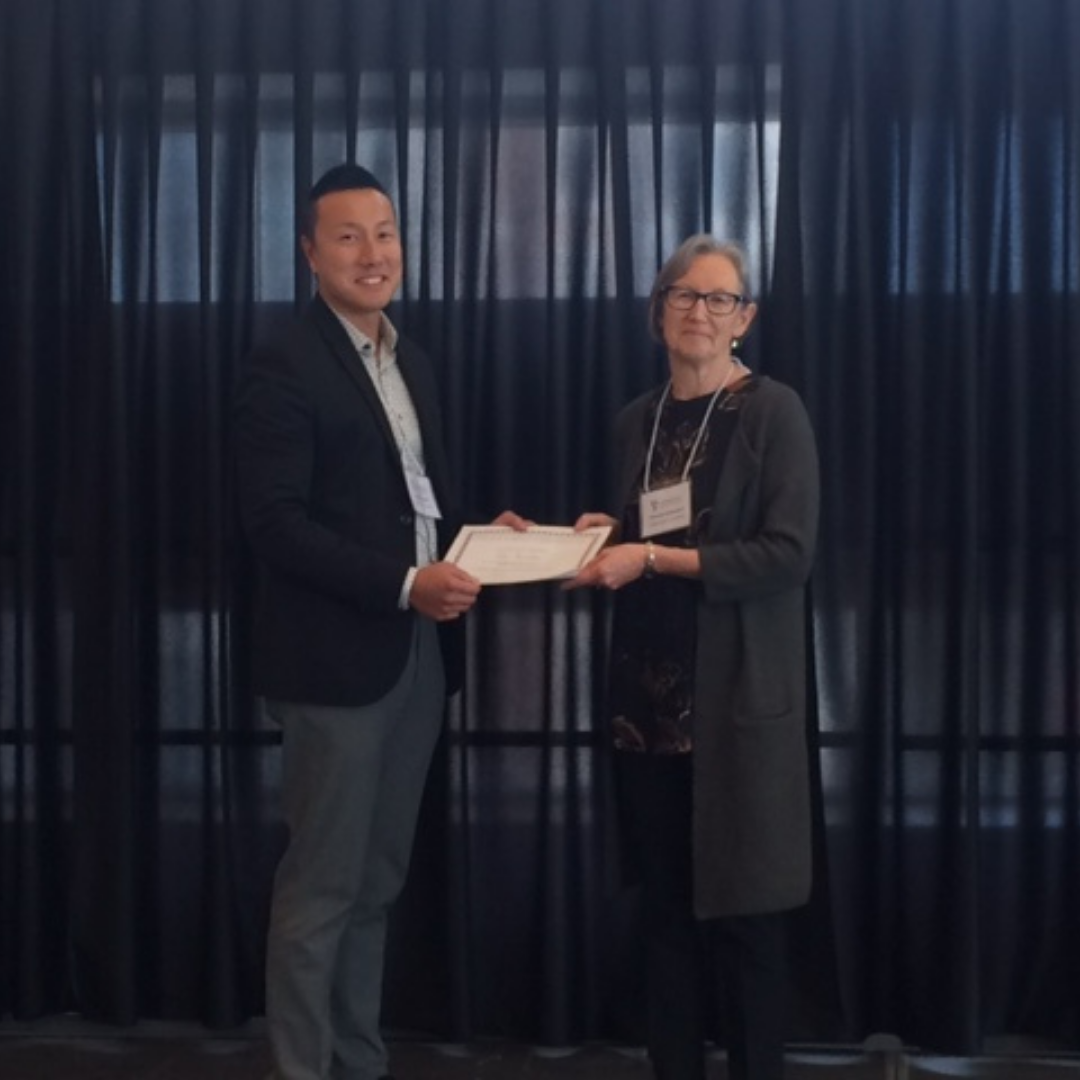
Hadi Karsoho : lauréat du prix Robin Badgley Memorial Student Award 2016
Le prix étudiant commémoratif Robin Badgley 2016 a été décerné à Hadi Karsoho pour son article "Articuler la souffrance avec le rôle de la médecine en fin de vie : Le cas de l'aide médicale à la mort". Hadi Karsoho est candidat au doctorat à l'Université McGill dans les départements de sociologie et d'études sociales de la médecine. Le programme de recherche de Hadi porte sur les questions contemporaines de la mort et du décès qui se situent à l'intersection de la médecine, de l'éthique et du droit. Dans le cadre de sa thèse de doctorat, Hadi examine la façon dont les différents intervenants se réunissent dans un litige notable, Carter c. Canada, pour débattre de la légalité et de l'éthique de l'aide médicale à mourir (c.-à-d. l'aide médicale à mourir). Carter a abouti à la décriminalisation de l'aide médicale à mourir au Canada en 2016 et, à notre connaissance, la recherche de Hadi est le premier examen empirique approfondi de cette affaire judiciaire marquante. La thèse de Hadi fait partie d'un projet de recherche plus vaste, financé par les Instituts de recherche en santé du Canada (IRSC), sur les controverses publiques de la mort médicalisée au Canada.
Tania Jenkins : lauréate du prix Robin Badgley Memorial Student Award 2014
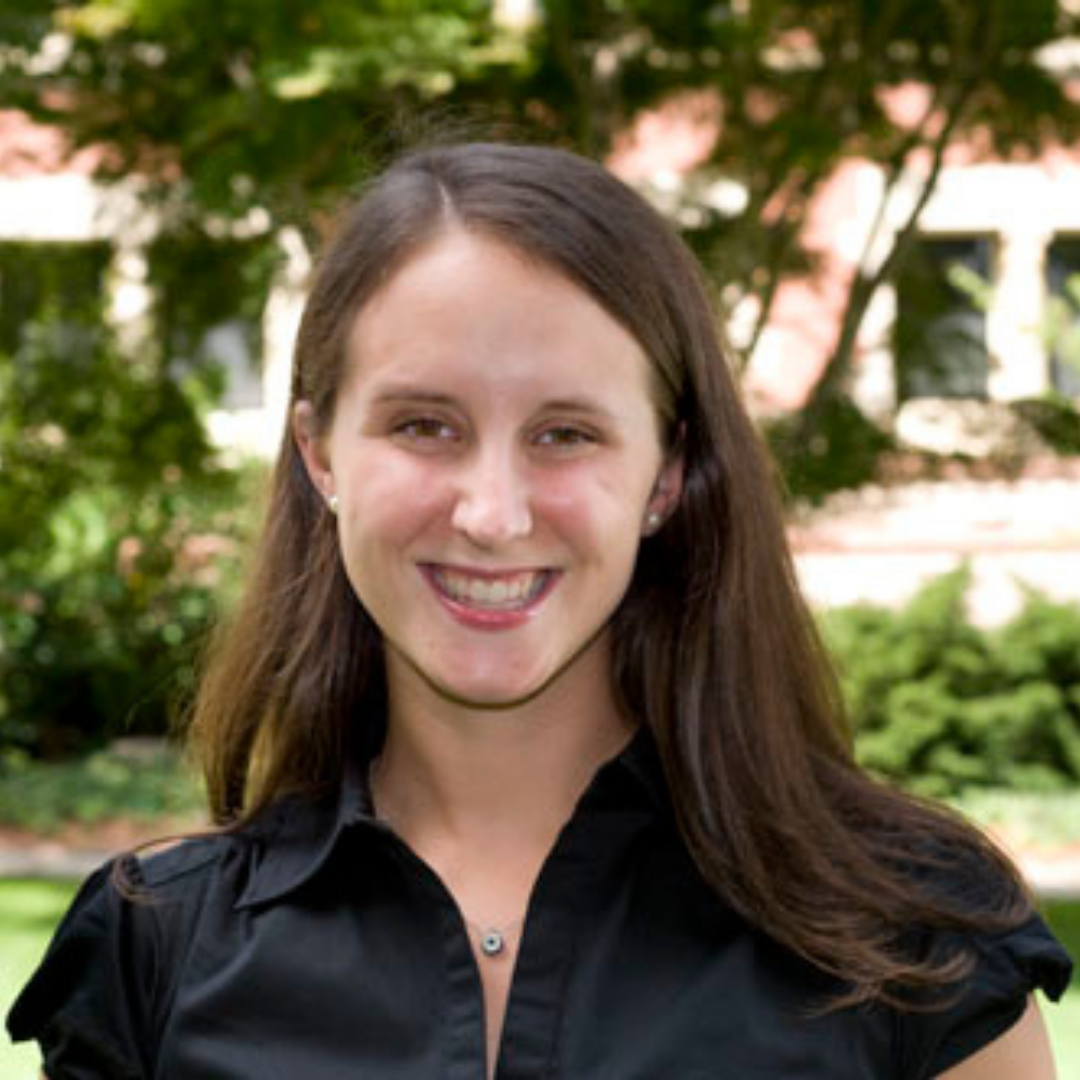
La soumission gagnante de Tania Jenkins est un article à auteur unique intitulé "'It's Time She Stopped Torturing Herself' Medical Paternalism in End-Of-Life Care Among Internal Medicine Residents".
Tania M. Jenkins est candidate au doctorat au département de sociologie de la Brown University à Providence, RI (États-Unis). En 2010, elle a obtenu une bourse de doctorat du CRSH pour soutenir sa formation doctorale. Ses intérêts de recherche sont centrés sur la sociologie médicale, en particulier la profession médicale, la stratification professionnelle, la sociologie du diagnostic et l'ethnographie. La thèse de Tania porte sur la (re)production des inégalités de statut parmi les résidents en médecine interne aux États-Unis. Par le biais d'une ethnographie hospitalière comparative de deux centres médicaux, elle explore comment le pedigree éducatif (c'est-à-dire l'endroit où les résidents ont fait leurs études de médecine) affecte les opportunités des stagiaires dans la résidence et au-delà.
Avant d'obtenir son doctorat, Tania a obtenu une maîtrise de l'Université McGill, où sa recherche de maîtrise financée par le CRSH a examiné la relation entre l'accès aux soins primaires et le statut socio-économique au Québec, en utilisant une approche à méthodes mixtes. Ses travaux de maîtrise lui ont valu plusieurs distinctions, dont le prix Joseph et Sandra Rotman de l'Institut d'études canadiennes de McGill pour l'excellence des étudiants en matière d'innovation en politiques publiques, ainsi que la médaille d'or du Gouverneur général du Canada pour l'excellence académique.
Elle est actuellement l'auteur de deux publications uniques dans les domaines de la recherche qualitative en santé et de la santé, ainsi que de manuscrits co-signés dans BMC : Health Services, Social Science & Medicine et American Journal of Public Health.