

Who We Are
The Canadian Society for the Sociology of Health / Société canadienne de sociologie de la santé (CSSH/SCSS) is a virtual, volunteer-based association dedicated to advancing the sociological study of health, illness, and health care in Canada. Founded in 2008 with the Interim Conference of the Research Committee on Medical Sociology of the International Sociology Association in Montréal, and most recently co-hosting the Canadian-Australian Sociology of Health Conference in Vancouver in 2019, CSSH/SCSS has steadily grown into a national hub for scholars, practitioners, and students alike.
We are committed to connecting those working in English and French across Canada and beyond, fostering collaboration, and providing opportunities for members to share their work and ideas. Our mission is to mobilize knowledge more broadly while creating opportunities for professional development, growth, and recognition — including the celebration of outstanding contributions to the field through awards.
Through conferences, workshops, and member networking initiatives, our vision is to ensure greater awareness of the sociology of health, illness, and health care in Canada, while strengthening connections that advance research, policy, and practice for years to come.

Rencontrez notre équipe.

Conseil consultatif
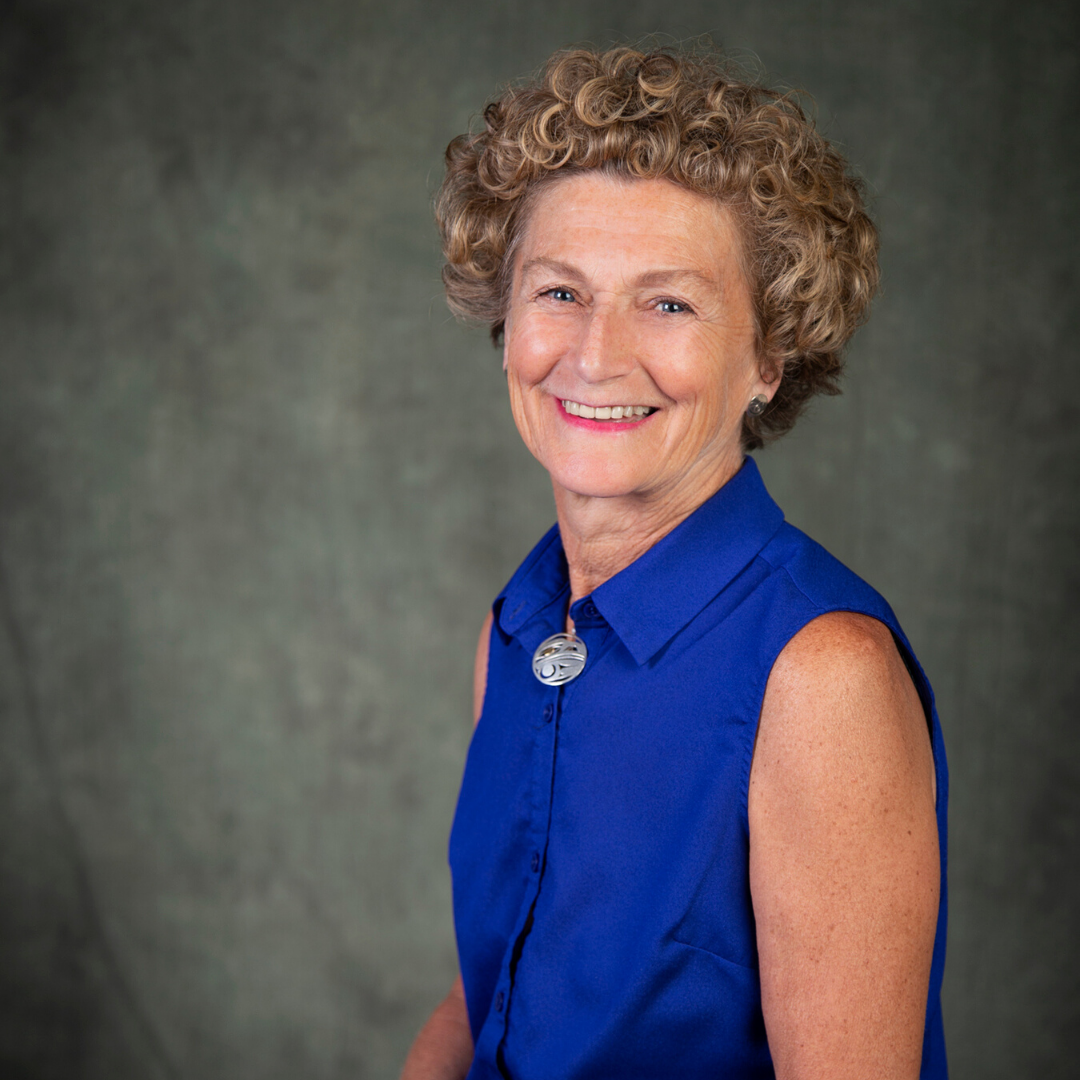
Cecilia Benoit
Cecilia Benoit holds a PhD in Sociology from the University of Toronto. She is currently a Scientist at the Canadian Institute for Substance Use Research and Professor Emeritus of Sociology at the University of Victoria, BC. Through a lifetime in academia and advocacy, Dr. Benoit has been learning from and supporting progressive policies to better the lives of people who are marginalized — midwives and pregnant women, sex workers, the unhoused and youth and adults who use substances.
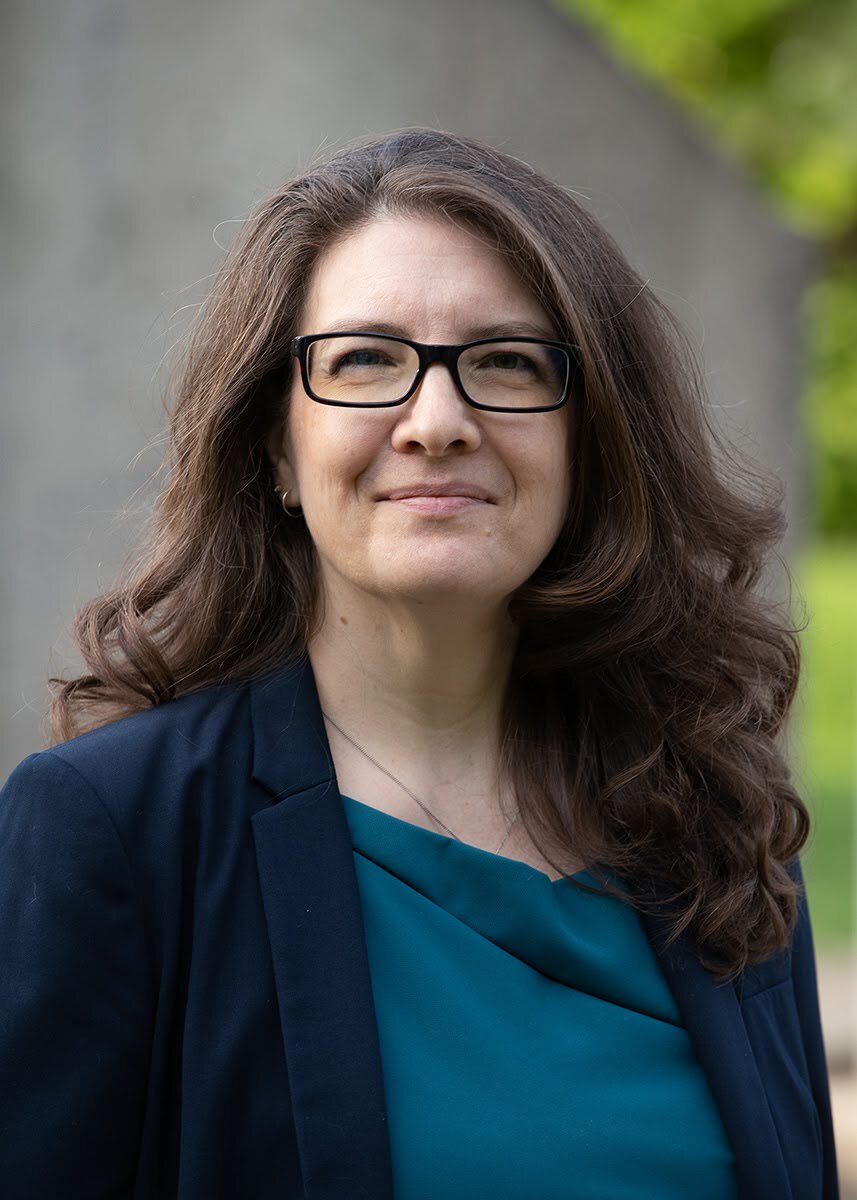
Ivy Bourgeault
Ivy Bourgeault est professeur à l'École des études sociologiques et anthropologiques de l'Université d'Ottawa. Elle dirige le Réseau canadien des professionnels de la santé et l'initiative "Empowering Women Leaders in Health". La Dre Bourgeault s'est taillé une réputation internationale pour ses recherches sur le personnel de santé, notamment sous l'angle du genre.

Nancy Côté
Nancy Côté, Associate Professor in the Department of Industrial Relations at Université Laval, holds the Canada Research Chair in the Sociology of Work and Healthcare Organizations. Her work lies at the intersection of the sociology of work, professions, and organizations, examining the transformations of healthcare organizations and their impacts on the work of professionals and managers, as well as social innovations in primary care, interprofessional and intersectoral collaboration, and work engagement to better serve vulnerable and marginalized populations.

Emilie Dionne
Emilie Dionne is a sociologist of health, a feminist epistemologist and a health services researcher at VITAM – Centre de recherche en santé durable & Université Laval. She uses her expertise in feminist theory, new feminist materialism, feminist critical disability, intersectionality, and art-based methods, to study care practices, relationships, and the organization of care practices.


Christopher J. Fries
Christopher J. Fries est un scientifique en santé sociale et comportementale à l’Université du Manitoba et étudie les modes de vie et les comportements en matière de santé, l’incarnation, la santé publique critique, les déterminants sociaux de la santé, le pluralisme médical et la médicalisation. Il est coauteur d’un important manuel canadien de sociologie de la santé (Oxford University Press, 2e édition, 2017).

Janna Klostermann
Janna Klostermann is an assistant professor in the Department of Sociology at the University of Calgary. As a long-term care scholar, her current research examines crisis conditions in Alberta’s care economy and their impacts on workers and families. She is the author of At the Limits of Care: Gendered Work and Stories that Matter (University of Toronto Press, 2025).

Hasu Ghosh
Hasu Ghosh is a Senior Policy Analyst at the Departmental Science and Ethics Policy Bureau (DSEPB) of Health Canada. In her role, she leads policy files on horizontal science priorities, manages interdepartmental partnership, stakeholder consultations, develops knowledge translation materials, and engages with experts to provide science advice to senior management on a range of science-policy issues, including EDI and Inclusive Science, and Indigenous considerations. Hasu is also Health Canada representative to the federal Indigenous I-STEM Cluster Committee, a collaborative platform dedicated to promoting inclusivity and the respectful bridging, weaving, and braiding of Indigenous Knowledge with federal science, technology, engineering, and mathematics (STEM).
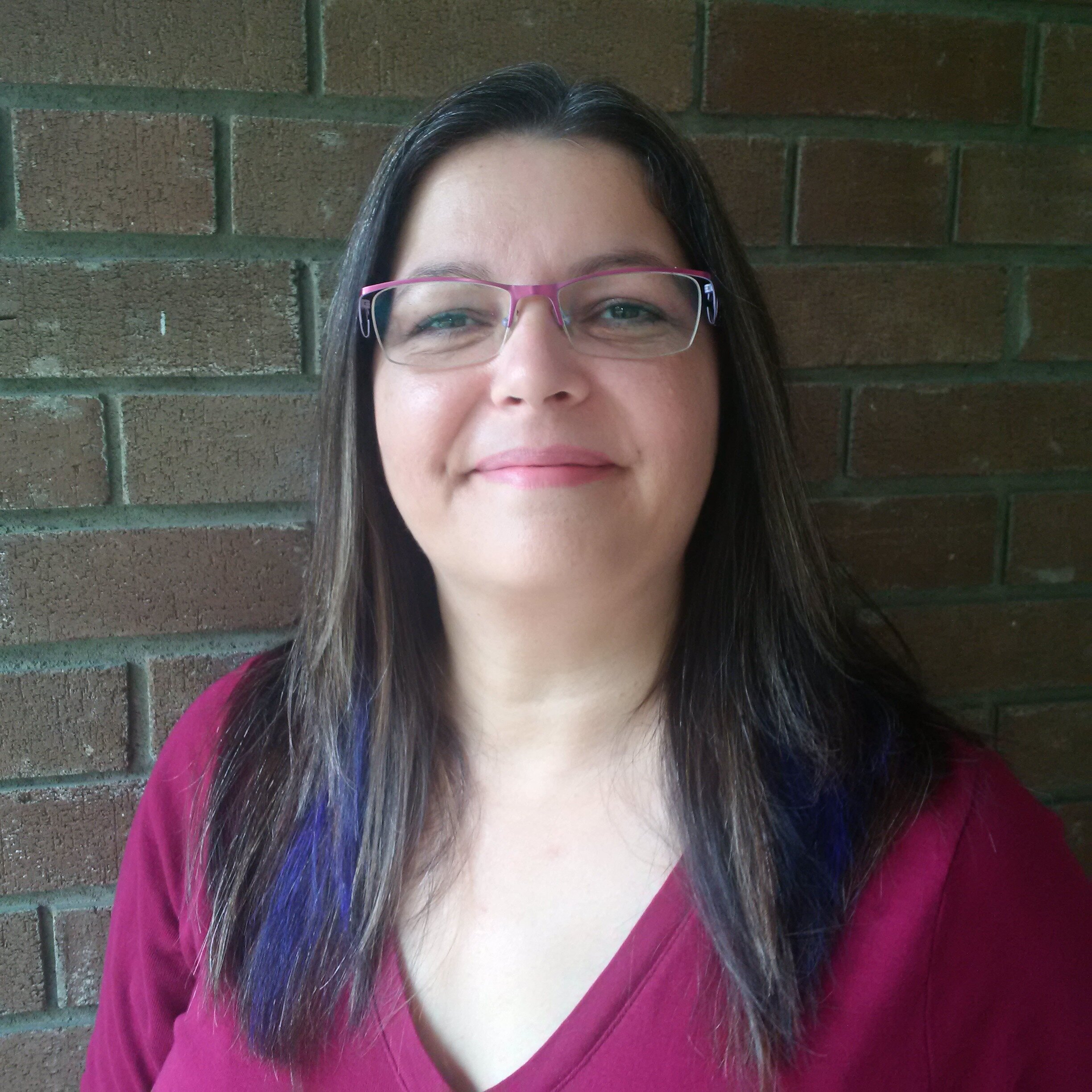
Angela Mashford-Pringle
Dr. Angela Mashford-Pringle is an Associate Professor at the Dalla Lana School of Public Health, University of Toronto. She is a member of Timiskaming First Nation (Algonquin) and her research includes climate and environmental health, social issues affecting Indigenous health, and Indigenous meta-research building from her work with previously incarcerated Indigenous folx, cultural safety training, and land-based learning.


Elena Neiterman
Elena Neiterman is an Associate Professor, Teaching Stream, at the School of Public Health Sciences of the University of Waterloo. Her research and teaching interest focus on women’s reproductive health, human resources, aging, and qualitative methods.

Le parc Jungwee
Jungwee Park is a senior research analyst in the Health Analysis & Modeling Division at Statistics Canada. Trained as a medical sociologist and demographer (Ph.D., Brown University, 1994), Dr. Park has conducted numerous studies on the social determinants of health, particularly in the context of vulnerable population groups.
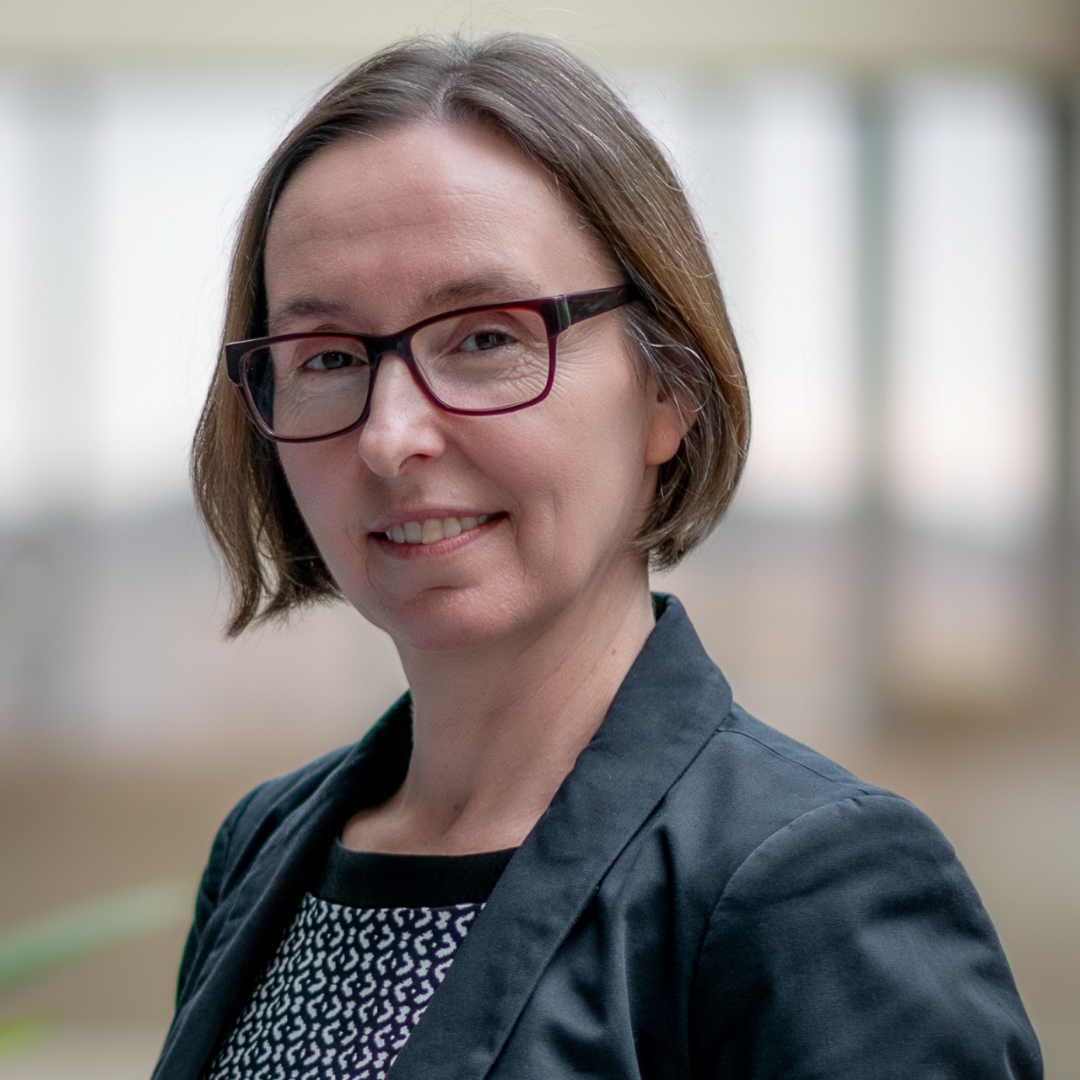
Nicole Power
Nicole Power est professeur au département de sociologie de l'université Memorial. Ses recherches ont porté sur l'impact de la restructuration industrielle, économique et environnementale sur les travailleurs des communautés rurales, en se concentrant principalement sur les travailleurs de la pêche, les jeunes travailleurs et les ouvriers qualifiés. Plus récemment, elle s'est penchée sur la santé et la sécurité psychologique au travail des agents correctionnels et des universitaires.

Emma Whelan
Emma Whelan is Chair and Associate Professor in the Department of Sociology and Social Anthropology at Dalhousie University, with a cross-appointment in Gender & Women’s Studies. Her research draws on Foucauldian, feminist, and STS perspectives and explores two main themes: claimsmaking practices in health, and moral regulation in public health and health education, with a current focus on the genealogy of cleanliness and handwashing campaigns.

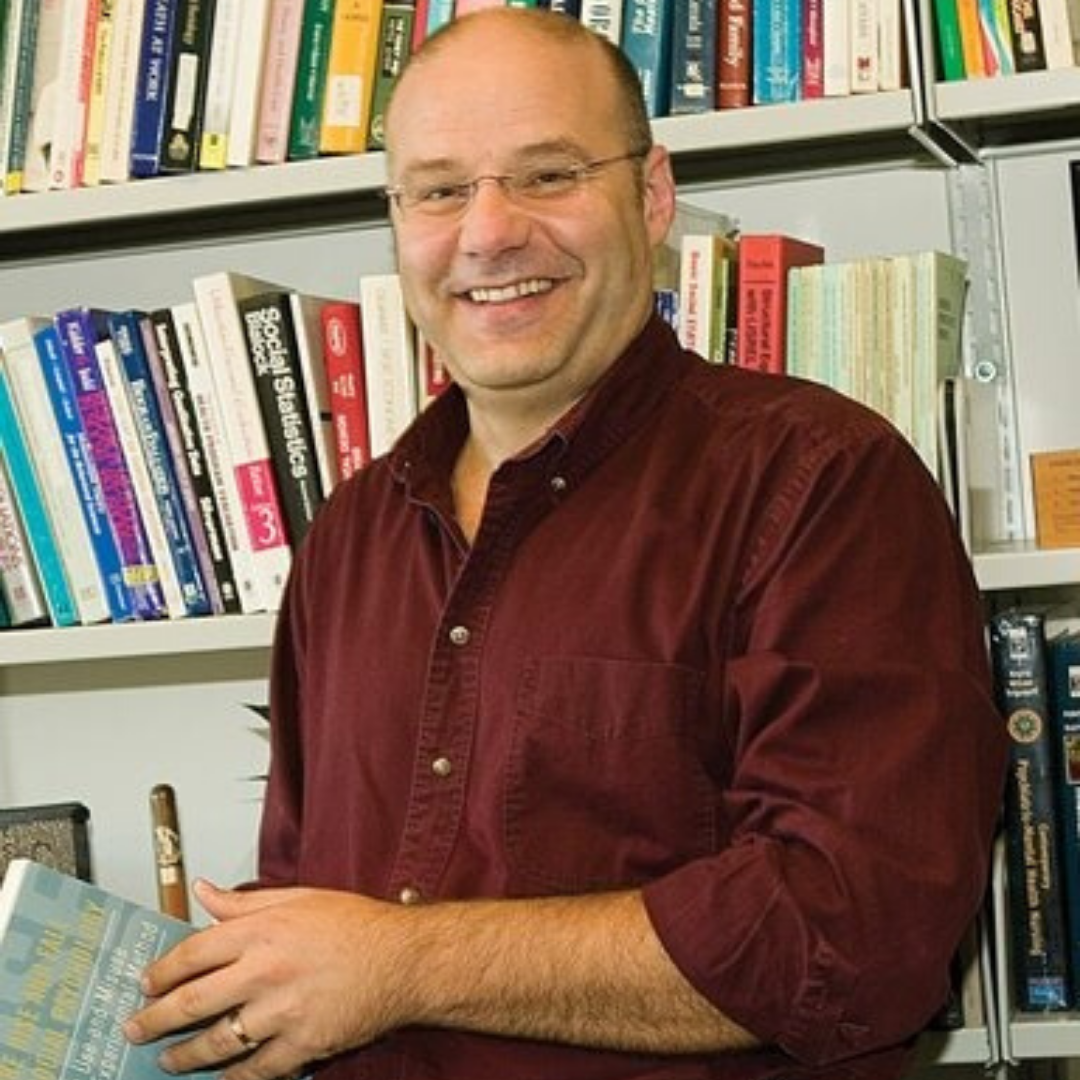
Terry Wade
Terry Wade est professeur de sciences de la santé à l'Université Brock. Ses recherches portent sur les déterminants sociaux de la santé de l'enfant et vont au-delà des associations statistiques de base pour comprendre les processus qui relient les désavantages socio-structurels aux résultats en matière de santé tout au long de la vie. Son travail est de nature interdisciplinaire et relie les déterminants sociaux au développement physiologique.
Conseillers étudiants

Antoine Przybylak-Brouillard
As a Qualitative Research Associate at the McGill University Health Centre (MUHC) and a doctoral candidate at McGill University, Antoine Przybylak-Brouillard uses his interdisciplinary background in medical anthropology and health sociology to investigate systemic challenges in healthcare. His work focuses on key issues that impact patient outcomes, including organizational and systems-level barriers, technology implementation, disparities in care, language concordance, and interprovincial healthcare access.

Elizabeth S. Cameron
Elizabeth S. Cameron is a PhD Student in Sociology at Dalhousie University (located in Kjipuktuk, Mi’kma’ki, also known as Halifax, Nova Scotia). Her doctoral research, which is supported by the Social Sciences and Humanities Research Council of Canada, explores how those living with feminized chronic illness(es) navigate liminality and uncertainty related to medical diagnostic categories (e.g., how people who are clinically diagnosed with suspected endometriosis understand and manage being ill in the absence of a surgically-confirmed diagnosis).
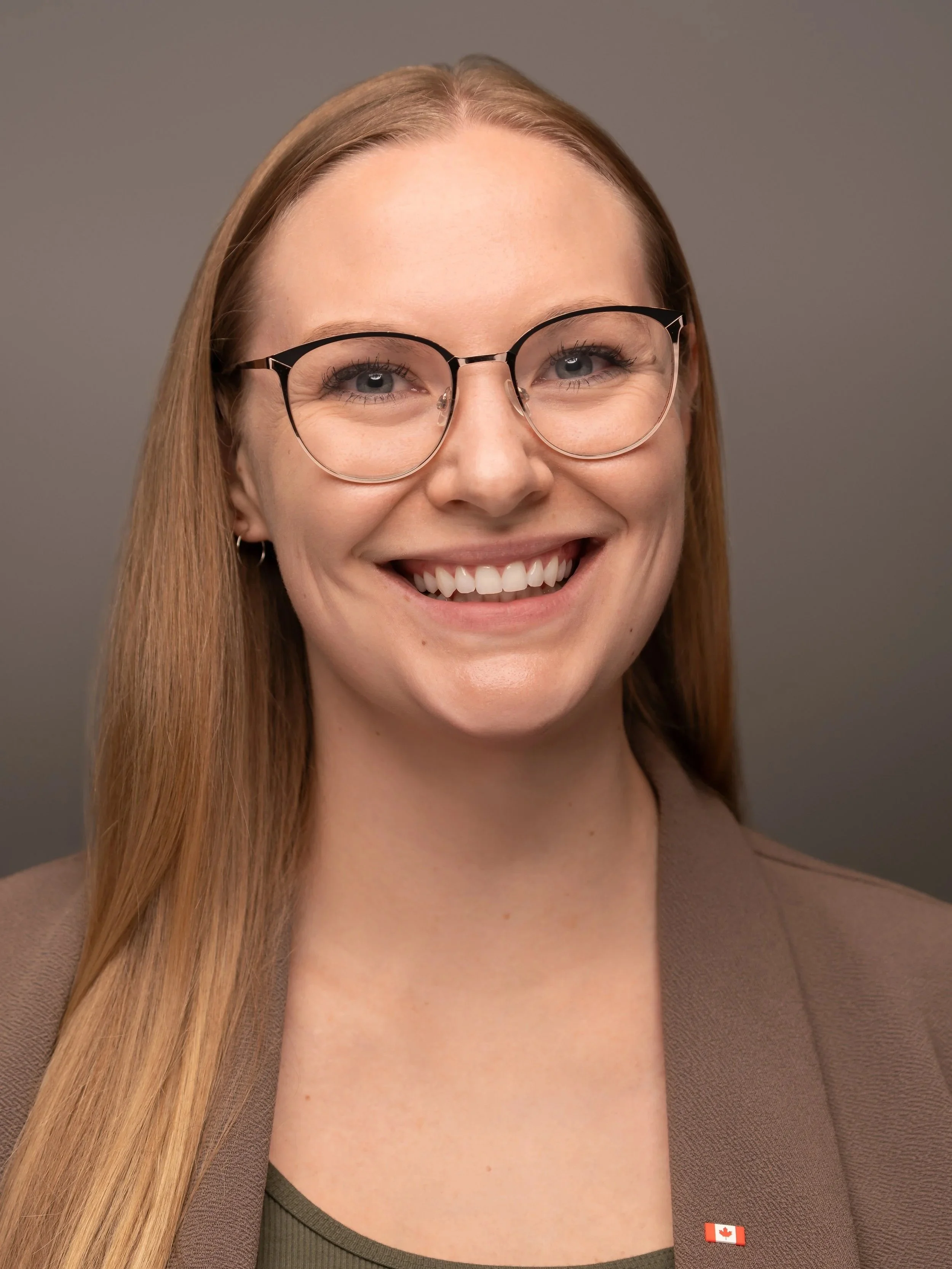
Kaitlyn Kuryk
Dr. Kaitlyn Kuryk is a Postdoctoral Fellow at Mount Saint Vincent University on the Homecare Pathways Project. Dr. Kuryk has a PhD (2025), MA (2018), and BA (Hons) (2016) in Sociology and Criminology from the University of Manitoba. Her research interests are in home care, family/friend caregivers, older adults, and the process and impacts of medicalization.

Rose Darly Dalexis
Rose Darly Dalexis is a PhD candidate in Population Health at the University of Ottawa. Her research focuses on health equity, with a particular interest in the intersections of race, gender, and systemic discrimination in workplace settings.